
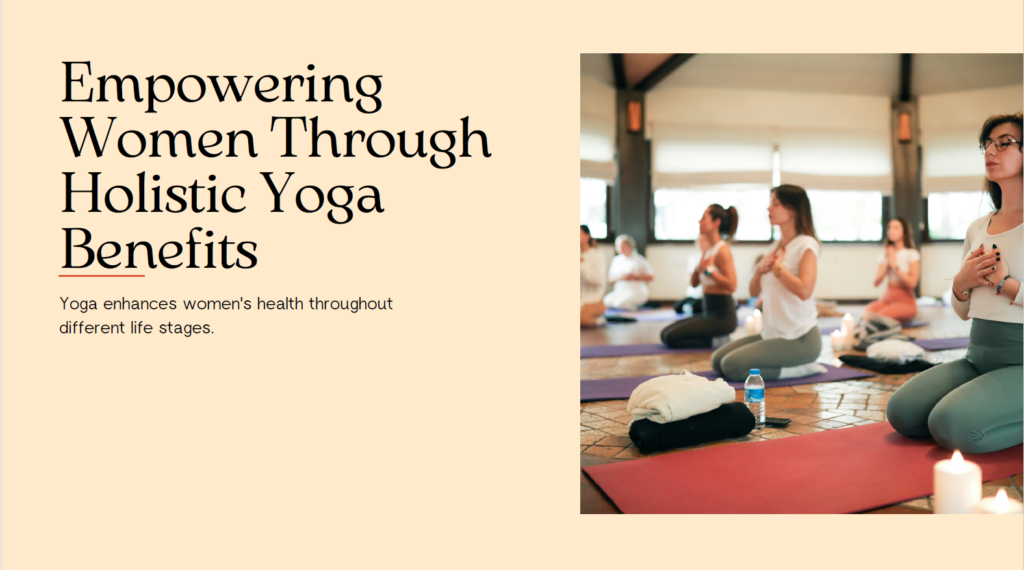
Yoga for Women’s Health: Holistic Benefits Across Life Stages
Yoga for Women’s Health: Holistic Benefits Across Life Stages Yoga is an ancient practice that combines physical postures, breathing exercises, and meditation. This practice has received attention in academic circles for its potential to mitigate health risks in women. The evidence supporting yoga’s benefits spans various aspects of women’s health, including physical, mental, and reproductive health. Yoga for Women’s Health Physical Health Benefits: Yoga profoundly impacts physical health, particularly cardiovascular health and chronic conditions such as osteoarthritis and back pain. Practicing yoga regularly can positively impact factors that increase the risk of cardiovascular disease. For instance, yoga has been shown to decrease total cholesterol and triglycerides, which are critical in managing heart disease risk, the leading cause of death among women in America. Moreover, yoga offers therapeutic benefits for individuals suffering from osteoarthritis, notably improving quality of life and mental health among women diagnosed with breast cancer by providing moderate support through the practice. Reproductive Health and Pregnancy: Yoga also plays a crucial role in reproductive health, including pregnancy and menopausal symptoms. Prenatal yoga has been found to offer multiple benefits during pregnancy and labor, such as stress management, reduced pelvic pain, and potentially improved birth outcomes. Furthermore, yoga might improve menopausal symptoms, including reducing the intensity and frequency of hot flashes, suggesting its utility in enhancing the quality of life during menopause. Mental Health Benefits: The mental health benefits of yoga are equally compelling. Research highlights yoga’s effectiveness in reducing stress, anxiety, and depression, making it a valuable complementary treatment. A study highlighted in the International Journal of Preventive Medicine found that women practicing Hatha yoga three times a week for a month reported significant reductions in stress, anxiety, and depression. This underscores yoga’s role in enhancing mental well-being and suggests its potential as a cost-effective complementary medicine by reducing the reliance on pharmacological treatments. Chronic Conditions and Yoga: Yoga’s versatility extends to managing chronic conditions such as low-back pain, arthritis, and cancer. Clinical guidelines and meta-analyses have pointed to yoga as a beneficial nonpharmacologic treatment option for chronic low-back pain, offering improvements in pain and function. For arthritis, yoga has been found to reduce symptoms and promote general well-being in patients with knee osteoarthritis and rheumatoid arthritis, despite some studies indicating a need for more high-quality evidence. Conclusion: the breadth of academic research on yoga underscores its potential as a multifaceted tool for enhancing women’s health across various domains. From mitigating cardiovascular risks and managing chronic conditions to supporting mental well-being and aiding during pregnancy and menopause, yoga presents a holistic approach to health that can be integrated into women’s healthcare regimens. The evidence, although varying in strength across different areas, generally supports the incorporation of yoga as a beneficial practice for women’s health.

Embracing Feminine Wellness: How Yoga Transforms Women’s Health at Every Stage of Life
Yoga for Women’s Health: A Guide Through Every Life Stage In the bustling rhythm of modern life, women often juggle multiple roles, facing unique health challenges at different stages. From the onset of menstruation to the transition through menopause, each phase of a woman’s life is marked by distinct physical and emotional shifts. Today’s blog delves into the profound benefits of yoga for women, exploring how this ancient practice serves as a powerful tool for promoting wellness, balance, and healing. Yoga for Women’s Health Yoga for Women’s Health: A Guide Through Every Life Stage The Teen Years: Yoga for Hormonal Harmony Discover how yoga can help young women navigate the hormonal changes of adolescence with ease. Learn about specific asanas that aid in alleviating menstrual cramps and emotional turbulence, fostering a sense of calm and self-acceptance. The Reproductive Years: Fertility, Pregnancy, and Postpartum Yoga Explore yoga’s role in enhancing fertility, supporting a healthy pregnancy, and aiding postpartum recovery. This section highlights prenatal and postnatal yoga practices designed to strengthen the body, reduce stress, and cultivate a deep connection between mother and child. The Empowering Thirties and Forties: Yoga for Strength and Stress Relief Uncover yoga routines that build physical strength, boost energy levels, and offer stress relief amid career growth, family life, and personal development. Learn how yoga can be a grounding force, promoting resilience and inner peace. Navigating Menopause: Yoga for Balance and Well-being Learn about the benefits of yoga for managing menopause symptoms such as hot flashes, mood swings, and sleep disturbances. Discover poses and breathing techniques that help restore hormonal balance and enhance overall well-being. Beyond Fifty: Yoga for Healthy Aging Dive into how yoga supports graceful aging, focusing on asanas that improve flexibility, bone health, and cardiovascular wellness. Find out how yoga not only maintains physical health but also enriches mental and emotional vitality. Conclusion: A Lifelong Journey with Yoga Conclude with inspiring stories of women who have integrated yoga into their lives, witnessing transformative effects on their health and well-being. Encourage readers to see yoga not just as a form of exercise, but as a companion through the journey of life, offering support, strength, and serenity at every turn.

Yoga as Medicine: Exploring Its Role in Diabetes Management
Exploring Its Role in Diabetes Management Yoga, an ancient practice deeply rooted in spiritual and philosophical traditions, has captivated and transformed the lives of countless individuals for millennia. Here, the Question arises Does yoga cure diabetes from its roots or not? Yoga can play a significant role in managing diabetes effectively. Experts believe that practicing yoga daily can help in controlling and even reversing mild diabetes by relieving stress, increasing mobility, and lowering blood sugar levels. This article delves into the emerging evidence supporting yoga as a potent therapeutic tool in managing and potentially curing diabetes. Research has shown that yoga can have a positive impact on blood sugar levels, lipid levels, and body composition, thereby aiding in diabetes management it’s very important to note that diabetes, especially type 1 diabetes, is a chronic condition that has no known cure. Type 2 diabetes, on the other hand, is more common, and can sometimes be managed or even reversed through lifestyle changes including diet, exercise, and weight management. Yoga here plays a very crucial role in this for example Pranayama and Asanas, can help in controlling blood glucose levels, which is beneficial for diabetes management “Trust in your journey, for every pose, every moment of stillness, is a step towards balancing body and soul. Let your practice be your anchor, guiding you towards wellness, strength, and resilience in the face of diabetes.” Yoga practices, including breathing exercises and meditation, are known to reduce the body’s stress response by lowering cortisol levels and promoting relaxation. High-stress levels can inhibit insulin secretion from pancreatic beta cells. Certain yoga postures and movements can enhance blood circulation throughout the body, including the pancreas. Yoga has been shown to balance the autonomic nervous system, which regulates various bodily functions, including digestion and hormone secretion. By promoting balance between the sympathetic (fight-or-flight) and parasympathetic (rest-and-digest) branches of the autonomic nervous system, yoga may optimize pancreatic function, including insulin secretion. Deep breathing techniques practiced in yoga increase the oxygenation of tissues, including the pancreas. Improved oxygen supply may promote the health and function of pancreatic beta cells responsible for insulin production. Chronic inflammation is associated with insulin resistance and impaired pancreatic function. Yoga has been shown to reduce inflammation markers in the body. By mitigating inflammation, yoga may create a more favorable environment for insulin secretion in the pancreas. Do you ever wonder how yoga affects your body, from a biological point of view, While yoga may not directly increase insulin secretion from the pancreas, it can enhance insulin sensitivity in peripheral tissues such as muscle and adipose tissue. Improved insulin sensitivity reduces the demand on pancreatic beta cells to produce insulin, which may indirectly support pancreatic health. Incorporating yoga into diabetes management requires careful consideration of individual needs and preferences. Individuals with diabetes should monitor their blood sugar levels regularly, especially when starting a new yoga practice, to ensure that their routine is safe and effective. This ancient practice offers far-reaching benefits beyond physical postures. yoga serves as a powerful tool in empowering individuals to live healthier, more fulfilling lives. As part of a comprehensive treatment plan, yoga has the potential to transform the lives of millions affected by diabetes, offeringhope, healing, and a path to greater vitality. Conclusion: Are you ready to take control of your diabetes and embrace a path to wellness that goes beyond traditional treatments? Our “Diabetes Mellitus: The Management of Yoga Therapy” offers a comprehensive and holistic approach to managing diabetes through the ancient practice of yoga. Designed to empower individuals with diabetes to reclaim their health and vitality, our program combines the therapeutic benefits of yoga with evidence-based strategies for blood sugar control, stress reduction, and overall well-being. Unlike one-size-fits-all approaches, our program recognizes that each individual’s journey with diabetes is unique.

Breath as Medicine: Exploring Pranayama’s Role in ADHD Management
Breath as Medicine: Exploring Pranayama’s Role in ADHD Management In the fast-paced world we live in, finding calm and focus can often feel like a Herculean task, especially for those managing Attention Deficit Hyperactivity Disorder (ADHD). Amidst a sea of conventional treatments and therapies, pranayama, an ancient yogic breathing practice, emerges as a beacon of hope. This article delves into how pranayama can be a transformative tool in managing ADHD, offering a natural pathway to enhanced focus and reduced hyperactivity. Understanding Pranayama Pranayama, a core component of yoga, revolves around the control of breath to influence the flow of energy throughout the body. This practice isn’t just about deep breathing; it’s a sophisticated method that involves various techniques to regulate the breath, each with its unique impact on the mind and body. The Science Behind Pranayama and ADHD At the heart of ADHD management is the quest for balance in the autonomic nervous system, which pranayama directly influences. By regulating breathing, pranayama can shift the balance from the sympathetic nervous system (associated with the ‘fight or flight’ response) to the parasympathetic nervous system (responsible for ‘rest and digest’ activities). This shift can lead to a profound sense of calm and a reduction in hyperactivity, offering a solid foundation for improved focus and attention. Implementing Pranayama into Daily Life Incorporating pranayama into daily routines requires minimal time and can be done anywhere, making it an accessible tool for ADHD management. Starting with just a few minutes a day can lead to noticeable improvements in focus and a reduction in hyperactivity over time. It’s advisable to learn these techniques under the guidance of a qualified instructor to ensure proper practice. Pranayama Techniques for ADHD Several pranayama techniques show promise for individuals managing ADHD: Nadi Shodhana (Alternate Nostril Breathing): This technique promotes balance and harmony within the body’s systems. By alternately breathing through one nostril at a time, it helps to calm the mind, enhance concentration, and reduce stress. Bhramari (Bee Breath): Mimicking the gentle sound of a bee, this technique involves a soothing hum during exhalation, which can quiet the mind and ease anxiety, making it easier to focus. Ujjayi (Victorious Breath): Known for its oceanic sound, Ujjayi breath is performed by constricting the back of the throat while breathing. This method enhances mindfulness and concentration, helping to keep distracting thoughts at bay. Conclusion Pranayama offers a holistic approach to managing ADHD, tapping into the body’s natural ability to find balance and calm. By integrating these breathing techniques into daily life, individuals with ADHD can unlock a greater sense of focus, reduce hyperactivity, and embrace a pathway to improved well-being. As we continue to explore and validate the benefits of traditional practices like pranayama, we open up new avenues for natural, effective ADHD management.

Exploring the Multifaceted Origins of Yoga Beyond Patanjali and the Hatha Yoga Pradipika
Exploring The Diverse Origins Of Yoga: Beyond Patanjali And Hatha Yoga Yoga, an ancient practice with a rich tapestry of history, extends well beyond the foundational texts of Patanjali’s Yoga Sutras and the Hatha Yoga Pradipika. It encompasses a diverse array of philosophical frameworks, spiritual disciplines, and physical practices, each contributing to the evolution of yoga as we understand it today. This article delves into the lesser-known yet equally significant sources and traditions that have shaped the multifarious nature of yoga, offering a broader perspective on its origins and development. The Vedas and Upanishads: The Philosophical Bedrock The earliest references to yoga can be traced back to the Vedas, the oldest sacred scriptures of Hinduism, composed around 1500 BCE. Specifically, the Rigveda contains hymns that allude to yogic practices, emphasizing discipline and meditation. However, it is within the Upanishads, a later collection of texts that elaborate on the Vedas, where the conceptual groundwork of yoga is more explicitly laid out. The Katha Upanishad, for example, introduces the idea of controlling the senses and the mind as a means to achieve higher states of consciousness. The Bhagavad Gita: The Yoga of Devotion, Knowledge, and Action The Bhagavad Gita, part of the epic Mahabharata, written around the 2nd century BCE, offers a profound discourse on yoga through the dialogue between Prince Arjuna and Lord Krishna. It presents three distinct paths of yoga: Bhakti (devotion), Jnana (knowledge), and Karma (action), emphasizing the importance of selfless service, devotion to the divine, and the pursuit of spiritual knowledge as means to liberation. The Bhagavata Purana and Gaudiya Vaishnavism: The Path of Devotional Yoga The Bhagavata Purana, composed around the 10th century CE, introduces Bhakti Yoga as the supreme path to spiritual fulfillment and liberation. This text, along with the teachings of the Gaudiya Vaishnavism tradition founded by Chaitanya Mahaprabhu in the 16th century, places a strong emphasis on devotion to Krishna as the ultimate means of connecting with the divine and achieving transcendental love. The Tantra and Kashmir Shaivism: The Esoteric Traditions Tantric traditions, which emerged around the mid-1st millennium CE, introduce a radical approach to yoga that involves complex rituals, meditation techniques, and the use of mantras, mudras, and visualization. Unlike the ascetic practices commonly associated with Patanjali’s Yoga, Tantra embraces the material world and bodily existence as means to achieve spiritual awakening. Kashmir Shaivism, a school within the broader Tantric spectrum, emphasizes the recognition of the self as a reflection of the universal consciousness, offering unique meditative practices aimed at realizing this unity. The Influence of Sufism and Other Spiritual Traditions Interestingly, the development of yoga has also been influenced by cross-cultural exchanges, notably with Sufism, the mystical branch of Islam. The emphasis on love, devotion, and the direct experience of the divine found in Sufism resonates with the Bhakti movement in Hinduism, suggesting a confluence of spiritual insights and practices. Conclusion The origins of yoga are deeply rooted in a complex web of spiritual, philosophical, and practical traditions that extend far beyond the well-known texts of Patanjali’s Yoga Sutras and the Hatha Yoga Pradipika. By exploring the contributions of the Vedas and Upanishads, the Bhagavad Gita, Tantric and Kashmir Shaivism traditions, as well as the influence of Bhakti movements and cross-cultural exchanges, we gain a more comprehensive understanding of the multifaceted nature of yoga. These diverse sources underscore yoga’s rich heritage as a profound and transformative inner journey, offering various paths toward spiritual realization and liberation.

Enhance Wellness with Yoga: Discover Its Holistic Health Benefits
Yoga as Medicine: The Physical and Psychological Health Benefits Explore how yoga serves as a holistic approach to improving physical and mental health, reducing stress, and fostering overall well-being. Yoga: A Path to Holistic Health Yoga transcends traditional exercise by harmonizing body and mind. This ancient practice, rooted in centuries of tradition, has evolved into a comprehensive wellness tool. With consistent practice, yoga offers profound benefits across various aspects of physical health and mental well-being. Let’s delve into how yoga can become your ultimate ally in achieving holistic health. Unlocking Physical Health Benefits Yoga’s physical benefits are both broad and significant, encompassing strength, flexibility, and balance. Here’s how yoga reshapes our physical health: Enhanced Strength and Flexibility: Unlike high-intensity workouts, yoga gently builds muscle strength while enhancing flexibility. Poses like Plank, Warrior, and Tree pose strengthen core, legs, and arms, reducing the risk of injury and improving overall body function. Improved Respiratory Efficiency: Pranayama, or breath control practices, are central to yoga. These exercises enhance lung capacity and respiratory efficiency, crucial for both physical endurance and stress management. Cardiovascular Health: Yoga’s calming effect on the mind also extends to the heart. Practices that include gentle flow sequences improve cardiovascular health by reducing resting heart rate, lowering blood pressure, and promoting arterial health. Yoga for Everyone: Accessibility and Adaptability One of yoga’s greatest strengths is its accessibility. Yoga can be adapted to fit the needs of virtually anyone, regardless of age, fitness level, or health status. Here’s how yoga remains inclusive: Variety of Styles: From the gentle flows of Hatha yoga to the more physically demanding Ashtanga, there’s a style of yoga for every preference and need. This variety ensures that everyone can find a practice that resonates with them. Adaptability to Individual Needs: Yoga poses and sequences can be modified to accommodate individual physical limitations, making it an inclusive practice for people with disabilities, chronic pain, or those recovering from injuries. Catalyst for Mental Clarity and Stress Reduction Yoga’s impact on mental health is as significant as its physical benefits. Here are key ways yoga promotes mental wellness: Mindfulness and Concentration: Through focused breathing and mindful practice, yoga enhances concentration and mental clarity. This mindfulness can reduce symptoms of anxiety and depression, leading to a more balanced emotional state. Stress Relief through Relaxation: Yoga encourages relaxation, shifting the balance from the sympathetic nervous system (or the fight-or-flight response) to the parasympathetic nervous system. This shift reduces stress and promotes a state of calm. Enhanced Sleep Quality: Regular yoga practice has been linked to better sleep quality. Techniques that relax the body and mind, such as gentle stretches and meditation, can help alleviate insomnia and improve overall sleep patterns. Embrace Yoga for Holistic Health Incorporating yoga into your daily routine is a powerful step toward holistic health. It’s a practice that nurtures not just the physical body but also the mind and spirit. Whether you’re seeking to alleviate physical pain, manage stress, or find mental clarity, yoga offers a path to achieving those goals. By embracing yoga, you embark on a journey of self-discovery, wellness, and balance. Start your yoga journey today and experience the transformative power of this ancient practice.

Yoga for Mental Well-being: Strengthen Your Mind-Body Connection
Yoga: A Pillar For Mental Health Yoga transcends physical exercise, serving as a cornerstone for mental health. It harmonizes the mind, body, and spirit, offering a sanctuary for those navigating the complexities of modern life. This article delves into yoga’s profound impact on mental well-being, spotlighting poses and practices that fortify the mind-body connection. The Journey to Self-Love with Yoga Yoga is a voyage of self-discovery and acceptance. It teaches us to approach ourselves with kindness, compassion, and patience. Practices such as Loving-Kindness Meditation (Metta Bhavana) integrated into yoga sessions nurture self-love, essential for overcoming internal struggles with anxiety and depression. Recognizing our worth and embracing our imperfections paves the way for healing and self-acceptance. Transformative Poses for Emotional Equilibrium Child’s Pose (Balasana): A sanctuary of serenity, the Child’s Pose envelops practitioners in comfort, easing stress and anxiety. By fostering a sense of security and grounding, it encourages introspection and emotional release. Warrior Series (Virabhadrasana I, II, III): Beyond their physical prowess, the Warrior poses instill confidence, resilience, and empowerment. They symbolize strength in the face of adversity, promoting courage and determination. Tree Pose (Vrikshasana): This balancing act fosters concentration and clarity, reducing feelings of anxiety by anchoring the mind in the present moment. It cultivates stability in both the physical and emotional realms. Mindful Breathing: A Bridge to Inner Peace Pranayama, or yogic breathing techniques, are powerful tools for mental health. Techniques like Ujjayi (Victorious Breath) and Anulom Vilom (Alternate Nostril Breathing) regulate the nervous system, reduce stress levels, and improve emotional resilience. By focusing on the breath, we connect to the present moment, cultivating mindfulness and diminishing worry and rumination. Sequences That Nourish the Soul Sun Salutation (Surya Namaskar): A dynamic flow that revitalizes the body and awakens the mind. This sequence enhances vitality and promotes an uplifted state of being, combating depressive tendencies with each movement. Moon Salutation (Chandra Namaskar): A gentle counterpart to the Sun Salutation, this sequence honors the reflective and introspective aspects of our nature. It soothes the nervous system, encouraging emotional balance and calmness. Integrating Yoga into Daily Life for Mental Wellness Making yoga a consistent part of your life can transform your mental landscape. Start with small, manageable sessions, gradually incorporating more as you feel comfortable. Remember, the goal is not perfection but progress. Yoga is a personal journey that respects your unique needs and boundaries. Yoga: A Comprehensive Approach to Mental Health Yoga offers a holistic approach to mental well-being, addressing the intricate interplay between mind, body, and spirit. Its practices, from asanas to meditation and pranayama, offer a multifaceted solution to the challenges of mental health. By fostering self-awareness, resilience, and emotional equilibrium, yoga empowers individuals to navigate life’s ups and downs with grace and strength. Conclusion Yoga is more than just a series of poses; it’s a lifeline to those seeking solace in a turbulent world. It strengthens the mind-body connection, offering a pathway to mental wellness that is both ancient and profoundly relevant today. As we embrace yoga, we unlock a powerful tool for mental health, one breath, one pose, one moment at a time. Embrace yoga’s journey and discover the tranquility, strength, and balance that lie within.

Embracing the Present: Yoga Techniques for Mindful Living
Introduction: The Journey To Mindfulness Through Yoga In today’s fast-paced world, mindfulness is a sanctuary, offering us a way to slow down and appreciate the present moment. Yoga, with its ancient roots and holistic approach to well-being, presents an array of techniques that foster mindfulness, guiding us to a state of serene awareness. This journey is not just about physical fitness; it’s a pathway to discovering the profound connections between our body, mind, and the world around us. The Essence of Mindful Breathing Breathing, the most fundamental aspect of yoga, is also the cornerstone of mindfulness. By focusing on our breath, we anchor ourselves in the present moment. This simple yet powerful practice can be done anywhere, anytime. Start your day with a few minutes of deep breathing. Sit in a comfortable position, close your eyes, and simply observe the rhythm of your breath. This practice clears the mind, reduces stress, and prepares you for the day ahead with renewed focus and calmness. Engaging the Body: Mindful Yoga Poses Yoga offers a variety of poses (asanas) that enhance mindfulness. Each pose is an opportunity to practice being fully engaged in the moment. Balancing poses, such as Tree Pose (Vrikshasana) or Warrior III (Virabhadrasana III), are especially effective. They require concentration, coordination, and a deep connection with the present. As you hold a pose, notice the sensations in your body, the stability of your breath, and the focus of your mind. This awareness builds a bridge between the physical and the mental, enhancing mindfulness. Mindful Living: Integrating Yoga into Daily Life The true power of yoga lies in its application beyond the practice sessions. Mindfulness cultivated through yoga can transform our daily lives. It teaches us to approach each task, conversation, and moment with full awareness. Whether you’re eating, walking, or simply performing your day-to-day tasks, do so mindfully. This approach to living turns ordinary activities into profound moments of connection with the present. Meditation: The Heart of Mindfulness Meditation is where the essence of mindfulness unfolds. It allows us to observe our thoughts and emotions without attachment or judgment. Post-yoga practice is an ideal time for meditation. Sit quietly, maintaining the natural flow of your breath, and let your mind settle. Thoughts will come and go; observe them without engagement. This practice deepens our connection to the present moment and cultivates a sense of inner peace that extends beyond the yoga mat. Conclusion: Embracing the Present with Yoga Yoga techniques for mindfulness are more than just exercises; they are invitations to live more fully in the present moment. They offer a way to navigate the complexities of life with grace, presence, and awareness. As we continue to explore and integrate these practices into our lives, we discover the true essence of mindfulness: a deep, serene engagement with the here and now.
Uniting Body and Mind: The Transformative Power of Mindfulness with Yoga
The Harmony Of Mindfulness And Movement In the practice of yoga, the body and mind are not separate entities but interconnected facets of our being, each influencing the other in profound ways. Mindfulness with yoga is the art of bringing this connection to the forefront, transforming simple movements into profound moments of presence and awareness. This article explores how mindfulness and movement intertwine in yoga, offering a path to holistic well-being. Understanding Mindfulness in Yoga Mindfulness, a state of active, open attention to the present, is a cornerstone of yoga. It involves observing your thoughts, feelings, and sensations without judgment. In yoga, mindfulness is cultivated through focused attention on breath and movement, anchoring the practitioner in the present moment and fostering a deep sense of awareness. The Role of Breath in Mindful Yoga Breath, or Pranayama, is more than just a physical necessity in yoga; it is a bridge to mindfulness. Each inhalation and exhalation guides movement and fosters a deeper connection to the present. Mindful breathing helps regulate the nervous system, reduce stress, and enhance concentration, making each yoga pose an act of mindfulness. The Benefits of Mindfulness with Yoga The integration of mindfulness and movement in yoga offers numerous benefits. Physically, it enhances flexibility, strength, and balance. Mentally, it promotes clarity, focus, and peace. Emotionally, it fosters resilience and a deep sense of well-being. This holistic approach addresses the individual as a whole, promoting health and harmony in every aspect of life. Integrating Movement with Mindful Awareness Yoga poses, or asanas, are designed not just for physical benefit but as vehicles for mindfulness. By focusing on the alignment, sensations, and breath in each pose, practitioners can achieve a state of moving meditation. This mindful attention to movement helps dissolve the usual chatter of the mind, leading to clarity and tranquility. Practices to Enhance Mindfulness in Yoga Start with Intention: Begin your practice with a clear intention to remain present. This intention sets the tone for mindfulness throughout your session. Focus on the Breath: Let your breath guide your movement. Pay attention to the rhythm of your breath and its connection to each pose. Embrace Each Moment: Treat every pose as an opportunity to be fully present. Notice the sensations in your body, the thoughts in your mind, and the emotions that arise. Cultivate Awareness: Practice observing your thoughts and feelings without attachment. This detachment fosters deeper mindfulness and understanding. Incorporate Meditation: End your practice with a few minutes of seated meditation. Reflect on your practice and the moments of mindfulness you experienced. Mindfulness Beyond the Mat The practice of mindfulness with yoga extends beyond the physical confines of the mat. It influences how we move through the world, interact with others, and respond to challenges. By cultivating mindfulness in yoga, we learn to approach life with a sense of calm, clarity, and presence, transforming our everyday experiences into opportunities for growth and peace.